Samsung galaxy s ii is a landmark device that redefined the smartphone landscape upon its release. Launched in 2011, this smartphone not only captured the attention of tech enthusiasts but also set new standards for performance and design. With its powerful hardware and user-friendly interface, the Samsung Galaxy S II brought features that were previously unimaginable, making it a game-changer in the industry.
The Galaxy S II boasted impressive specifications that distinguished it from its competitors, including a sleek design made from high-quality materials. Its ergonomic build provided comfort for users, while its advanced display showcased vibrant visuals. This device was not just a phone; it was a fusion of technology and art that propelled Samsung into the spotlight.
Overview of Samsung Galaxy S II
The Samsung Galaxy S II marked a pivotal moment in the evolution of smartphones, establishing a standard for future devices. Launched in April 2011, this flagship model from Samsung quickly gained traction worldwide, thanks to its impressive specifications and user-friendly design. The Galaxy S II played a crucial role in solidifying Samsung’s position as a major player in the mobile industry, appealing to tech enthusiasts and everyday users alike.
The Galaxy S II was distinguished by its powerful performance and innovative features that set it apart from contemporaries. It was equipped with a dual-core 1.2 GHz processor, which was a significant leap forward in mobile computing at the time. This allowed for smoother multitasking, enhanced gaming experiences, and overall improved responsiveness. The device also boasted a 4.3-inch Super AMOLED Plus display, delivering vibrant colors and deep blacks, making it ideal for media consumption. With an 8 MP rear camera capable of recording 1080p video and a 2 MP front-facing camera, it catered to photography enthusiasts and video chat users.
Design Elements and Build Quality
The design of the Samsung Galaxy S II was a blend of aesthetics and functionality, showcasing Samsung’s commitment to quality and user experience. The device featured a sleek and slender profile, measuring just 8.49 mm in thickness, which made it one of the thinnest smartphones of its time. Its lightweight build, weighing only 116 grams, combined with a contoured design for enhanced grip, made it comfortable to hold for extended periods.
The materials used in the construction of the Galaxy S II included a plastic back cover, which, while not as premium as glass or metal, contributed to a lightweight feel. The front was protected by Corning Gorilla Glass, providing durability against scratches and minor impacts. The placement of physical buttons, including the home button beneath the display and volume rockers on the side, allowed for easy navigation and accessibility, further enhancing the user interface experience.
In summary, the Samsung Galaxy S II was not just a smartphone; it was a statement of innovation and design excellence during its era. Its combination of powerful specifications, user-centered design, and market reception laid the groundwork for future generations of smartphones, influencing both Samsung’s trajectory and the industry as a whole.
Performance and User Experience
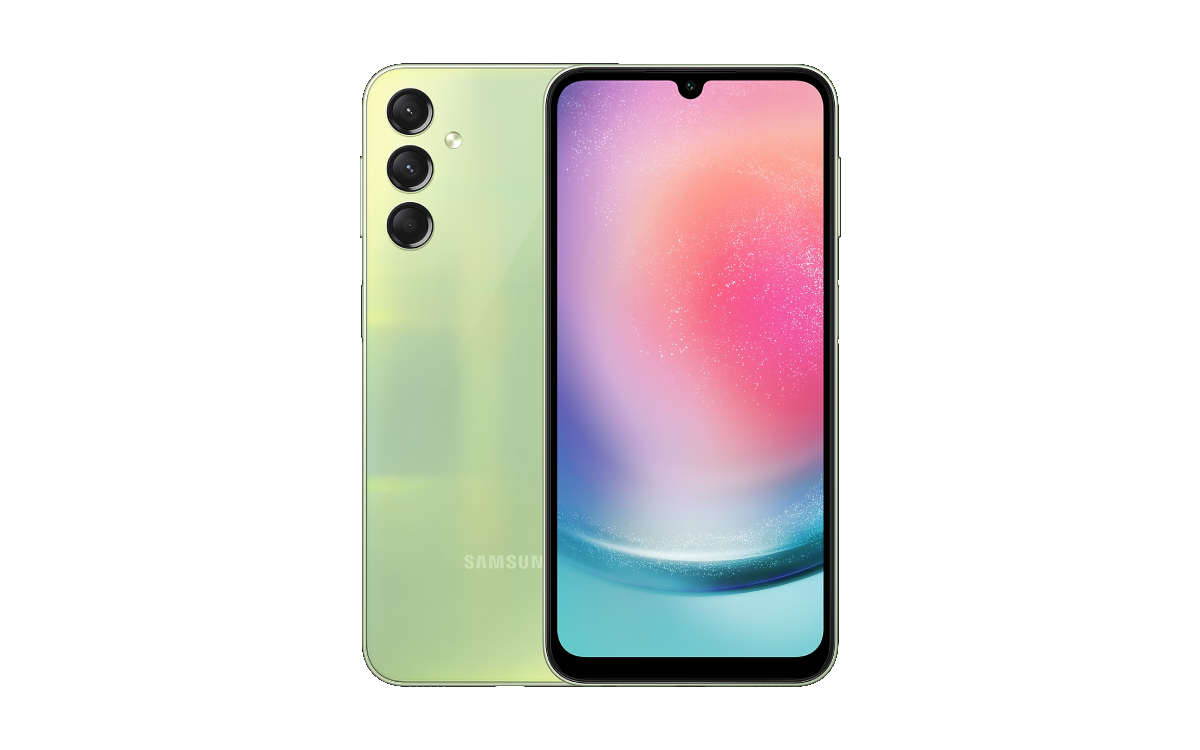
The Samsung Galaxy S II marked a significant leap in smartphone technology upon its release in 2011, delivering an impressive performance that resonated with tech enthusiasts and casual users alike. Known for its sleek design and powerful specifications, the device set a new standard in the smartphone market, making it a formidable competitor during its time.
The Galaxy S II is powered by a dual-core 1.2 GHz Cortex-A9 processor, which allows for smooth multitasking and responsive app performance. Coupled with 1 GB of RAM, this device can effortlessly handle demanding applications and tasks without lag, making it a reliable choice for users who require efficiency and speed. The integration of the Mali-400MP GPU further enhances its capabilities, providing stunning graphics for gaming and multimedia experiences.
Operating System and User Interface Features
Running on Android 2.3 (Gingerbread) at launch, the Galaxy S II received significant praise for its user interface. Samsung’s TouchWiz customization added a layer of personalization and functionality that distinguished it from stock Android devices. Users enjoyed features such as live widgets, customizable home screens, and a robust notification system that streamlined user interaction.
Key user interface features include:
- TouchWiz Nature UX: This interface introduced an intuitive design that emphasized ease of navigation and vibrant visuals.
- Smart Stay: Utilizing the front-facing camera, this feature kept the screen awake while users were looking at it, enhancing usability during reading or browsing.
- Task Manager: Users could easily access running applications and manage system resources efficiently, improving overall performance.
Battery Life Comparison with Competitors
The Galaxy S II is equipped with a 1650 mAh battery, which was regarded as competitive during its release. Users benefited from extended usage times, with the device offering approximately 10 hours of talk time and up to 710 hours on standby. When compared to its contemporaries, such as the HTC Sensation and the Motorola Droid Bionic, the Galaxy S II’s battery life held its ground well.
For context, here’s how it stacked up against its peers:
| Device | Battery Capacity (mAh) | Talk Time (hours) | Standby Time (hours) |
|---|---|---|---|
| Samsung Galaxy S II | 1650 | 10 | 710 |
| HTC Sensation | 1520 | 8 | 576 |
| Motorola Droid Bionic | 1735 | 11 | 220 |
The Galaxy S II’s ability to deliver satisfactory battery performance reasserted its place in the market, catering to users who demanded not just power but longevity in their devices. This combination of robust performance metrics and a user-friendly interface contributed to a compelling user experience that defined the Samsung Galaxy S II.
Camera Capabilities: Samsung Galaxy S Ii
The Samsung Galaxy S II is equipped with a robust camera system that enhances the overall photography experience. With its impressive specifications and features, this smartphone stands out in its era, providing users with the tools needed to capture stunning images and videos.
The main camera on the Galaxy S II boasts an 8-megapixel sensor that delivers high-resolution images with vivid details. Key features of the camera include autofocus, which ensures that subjects are sharp and clear, and an LED flash that aids in low-light conditions. Additionally, the camera supports various shooting modes, such as panorama and smile detection, enhancing its versatility.
Photography Techniques
Utilizing the Samsung Galaxy S II’s camera capabilities, users can explore a variety of photography techniques to enhance their images. Here are some notable approaches:
- Macro Photography: The Galaxy S II’s autofocus feature allows for detailed close-up shots, perfect for capturing intricate details of flowers or small objects.
- Night Photography: The LED flash and the camera’s sensor sensitivity work together to produce clearer images in low-light environments, making it suitable for night scenes and events.
- Panorama Shots: Utilizing the panorama mode allows users to capture wide landscapes in a single image, providing a broader view of beautiful scenery.
- Action Shots: The camera’s speed and autofocus enable the shooting of fast-moving subjects, ideal for sporting events or activities.
The Samsung Galaxy S II’s camera also offers various settings to appeal to different photography styles, such as exposure adjustments and white balance controls, further enhancing creative options for users.
Video Recording Capabilities
The video recording capabilities of the Galaxy S II are quite impressive for its time, allowing users to shoot in 1080p resolution at 30 frames per second. This level of detail and smoothness in recording is comparable to many contemporaneous devices, setting a standard for mid-range smartphones of that era.
In addition to standard recording, the Galaxy S II supports video stabilization, which helps to reduce shaky footage, resulting in smoother playback. Users can also take advantage of the camera’s ability to capture still images while recording video, providing an excellent opportunity to document special moments without interrupting the flow of video.
With these features, the Samsung Galaxy S II positioned itself as a strong contender in the smartphone market, appealing to both photography enthusiasts and casual users alike. The clarity and detail captured in both photos and videos remain a testament to its camera capabilities, making it a noteworthy device in its generation.
Legacy and Impact on Mobile Technology
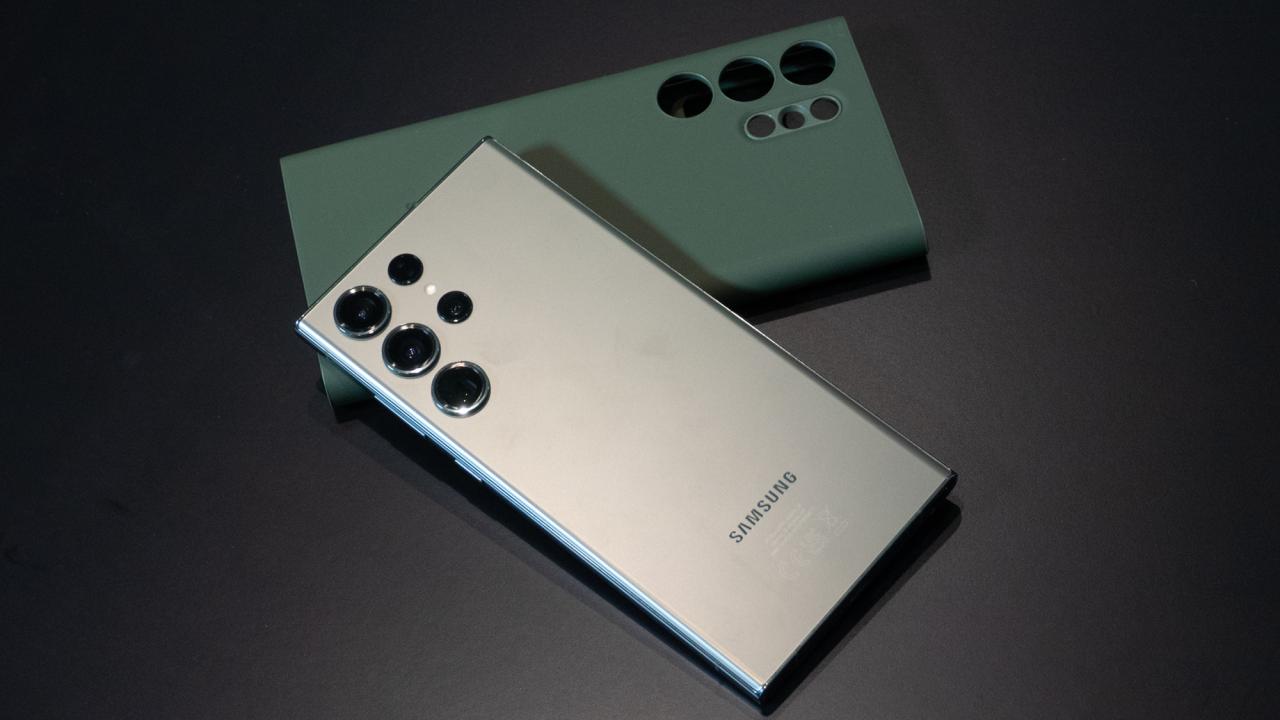
The Samsung Galaxy S II marked a pivotal moment in the smartphone evolution, setting new standards for performance, design, and user experience that would resonate throughout the industry. It was not just a phone; it was a statement of intent from Samsung, showcasing ambitious capabilities that influenced the trajectory of mobile technology for years to come.
The Galaxy S II introduced several features that became benchmarks for future smartphones. Its powerful dual-core processor, large Super AMOLED Plus display, and lightweight design established a new norm for user expectations, elevating the importance of processing speed and visual quality in mobile devices. This device demonstrated that smartphones could deliver laptop-like performance, which compelled manufacturers to enhance their offerings significantly.
Influence on Subsequent Models and the Smartphone Market
The impact of the Samsung Galaxy S II extended beyond its immediate success, influencing subsequent models and the broader smartphone market profoundly. It set the bar for flagship devices across many brands, leading to innovations in hardware and software. Notable influences include:
- Performance Enhancements: The dual-core processor became a standard feature in subsequent smartphones, prompting competition among manufacturers to integrate faster processors and optimize multitasking capabilities.
- Display Quality: The introduction of the Super AMOLED Plus display pushed competitors to improve screen technologies, resulting in brighter, more vibrant displays across the market.
- Design Language: Slimmer profiles and lightweight materials made their way into rival devices, as manufacturers sought to replicate the premium feel of the Galaxy S II.
- User Interface Evolution: The TouchWiz interface introduced with the Galaxy S II emphasized the need for intuitive user experiences, prompting rivals to refine their operating systems for improved usability.
The Galaxy S II’s success spurred a competitive environment leading to rapid advancements, and its legacy continues to influence flagship models today.
Community and Developer Support, Samsung galaxy s ii
The developer community’s engagement with the Samsung Galaxy S II has been a testament to its enduring popularity. Custom ROMs and modifications emerged as significant facets of the device’s lifecycle, enhancing its capabilities beyond the out-of-the-box experience.
The vibrant modding community contributed to the Galaxy S II’s legacy through various means:
- Custom ROMs: Users created and shared modified operating systems that offered enhanced features, improved performance, and a variety of customization options, allowing users to personalize their devices extensively.
- Rooting and Modifications: The ability to root the Galaxy S II enabled users to access deeper system settings, install apps that required root permissions, and optimize their devices for specific needs.
- Support Forums: Enthusiast platforms and forums like XDA Developers became hubs for discussing issues, sharing solutions, and providing ongoing support, fostering a community spirit among Galaxy S II users.
The collaborative efforts of the community not only extended the Galaxy S II’s lifespan but also empowered users to maximize their devices according to their preferences. This dynamic support system solidified the Galaxy S II’s impact on how users interact with smartphones, making it a significant player in the progression of mobile technology.
Commonly Asked Questions
What was the launch date of the Samsung Galaxy S II?
The Samsung Galaxy S II was launched in April 2011.
What operating system did the Samsung Galaxy S II run on?
It initially ran on Android 2.3 Gingerbread, with updates available for later versions.
How many megapixels does the Samsung Galaxy S II camera have?
The camera on the Samsung Galaxy S II features 8 megapixels.
Does the Samsung Galaxy S II support external storage?
Yes, the Samsung Galaxy S II supports microSD cards for additional storage.
What was the RAM capacity of the Samsung Galaxy S II?
The device came with 1GB of RAM, which was significant for its time.
If you’re looking to upgrade your smartphone, the latest promotion iphone offers an excellent opportunity to get your hands on Apple’s newest device. With its advanced features and sleek design, this phone is set to impress tech enthusiasts. However, if you’re considering alternatives, the galaxy s 6 remains a strong contender, showcasing impressive performance and user-friendly capabilities that appeal to a diverse range of users.
The cutting-edge features of the galaxy s 6 continue to make it a popular choice among smartphone lovers. With its impressive camera and vibrant display, it stands strong against other flagship models. For those who prefer iOS, the current promotion iphone provides a fantastic chance to enjoy the latest innovations from Apple, making it a thrilling time for tech enthusiasts to explore their options.