samsung note7 stands as a pivotal moment in the evolution of mobile technology, marked by innovation yet shadowed by controversy. Launched amid great anticipation, this smartphone promised cutting-edge features and unmatched performance, captivating consumers around the globe. However, its brief journey was marred by serious safety issues that led to a massive recall, shaking the very foundations of trust in the brand and the smartphone industry as a whole.
Exploring the development timeline of the Samsung Note7, we can see a device that was initially celebrated for its technical prowess, boasting features that set it apart from its predecessors. Yet, the excitement was short-lived as reports of battery malfunctions surfaced, highlighting the critical importance of safety in technological advancement.
History of Samsung Note7
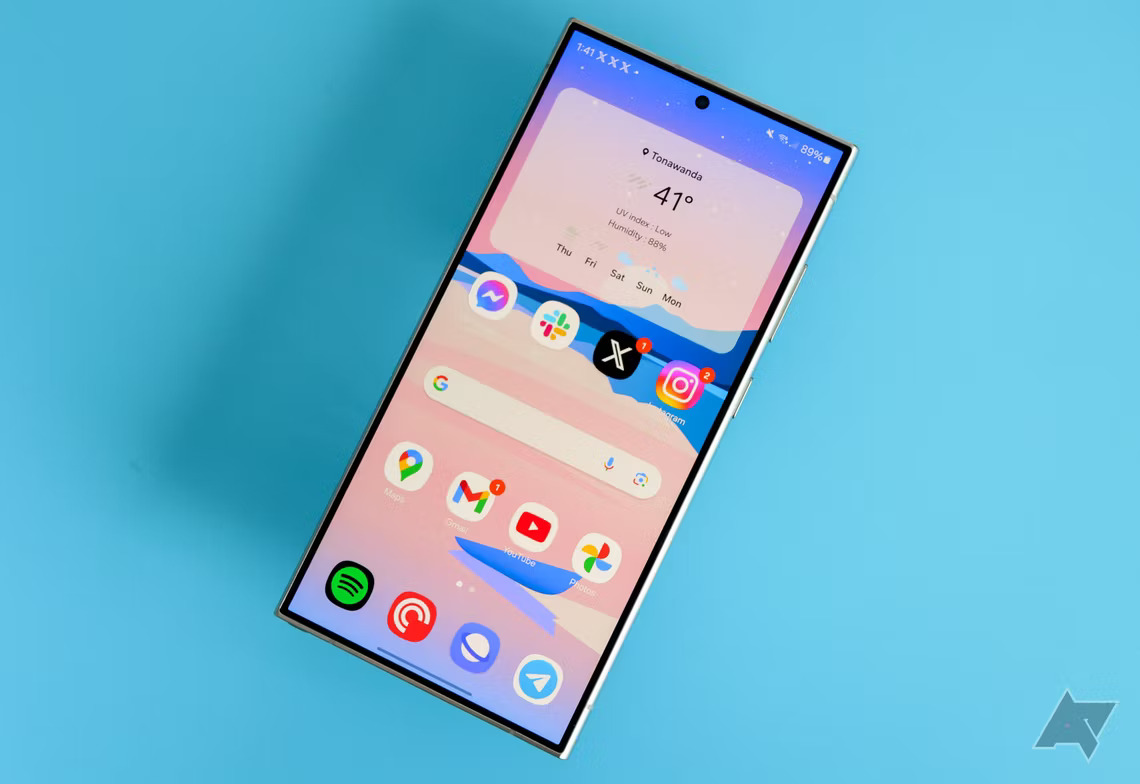
The Samsung Galaxy Note7, launched in August 2016, was anticipated to be a significant addition to Samsung’s lineup, blending advanced technology with a user-friendly experience. However, the device’s journey was tumultuous, marked by initial excitement, rapid market adoption, and subsequent controversies that led to its downfall.
The development timeline of the Samsung Note7 began shortly after the success of the Galaxy Note5. Samsung aimed to refine the Note series by enhancing its features and addressing user feedback. Key milestones included the integration of a larger and more vivid display, improved S Pen functionality, and enhanced battery capacity. The launch event in New York was met with enthusiasm, as the Note7 was celebrated for its design and innovative capabilities, including water resistance and a dual-edge display. Initial market reception was strong, with pre-orders exceeding expectations, indicating a promising future for the device.
Controversies Surrounding the Note7
Despite the initial success, the Samsung Note7 quickly became embroiled in controversy, primarily due to safety concerns regarding its battery. Reports of devices overheating and, in some cases, catching fire surfaced shortly after its launch. These incidents prompted Samsung to issue a recall, which was the largest in its history, affecting millions of devices worldwide.
The importance of addressing these safety issues cannot be overstated, as it significantly impacted consumer trust and brand reputation. Samsung implemented rigorous testing and quality control measures to identify the root cause of the battery failures. Ultimately, it was determined that a manufacturing defect in the batteries from one supplier contributed to the risk of overheating.
The fallout from the Note7 incident had far-reaching implications, including:
- Loss of consumer confidence: The incidents led to heightened scrutiny of Samsung’s manufacturing processes and quality assurance practices.
- Financial impact: The recall and discontinuation of the Note7 resulted in billions of dollars in losses for Samsung, affecting its overall profitability for the year.
- Market competition: The controversy opened doors for competitors to capitalize on Samsung’s missteps, leading to increased market share for rival brands.
- Regulatory scrutiny: The incidents drew the attention of consumer safety regulators globally, prompting investigations into Samsung’s operations.
“The Galaxy Note7’s legacy serves as a lesson in the importance of rigorous safety testing and transparent communication with consumers.”
Technical Specifications of Samsung Note7

The Samsung Galaxy Note7 marked a significant milestone in smartphone technology, blending cutting-edge specifications with unique features that set it apart from both its predecessors and contemporaries. This model not only boasted advancements in hardware but also included sophisticated software enhancements that catered to the evolving needs of users.
Comparison of Specifications with Predecessors
To appreciate the innovations present in the Galaxy Note7, it is essential to compare its specifications with those of its predecessors such as the Note5 and Note4. The Note7 introduced several upgrades, underscoring Samsung’s commitment to enhancing user experience.
| Specification | Galaxy Note4 | Galaxy Note5 | Galaxy Note7 |
|---|---|---|---|
| Display | 5.7 inches, Super AMOLED | 5.7 inches, Super AMOLED | 5.7 inches, Dual Edge Super AMOLED |
| Resolution | 1440 x 2560 pixels | 1440 x 2560 pixels | 1440 x 2560 pixels |
| Processor | Snapdragon 805 | Exynos 7420 | Exynos 8890 / Snapdragon 820 |
| RAM | 3 GB | 4 GB | 4 GB |
| Storage Options | 32/64 GB | 32/64 GB | 64 GB (expandable up to 256 GB) |
| Battery | 3220 mAh | 3000 mAh | 3500 mAh |
| Water Resistance | No | No | IP68 |
This comparison highlights the improvements made in battery capacity, processor speed, and water resistance, which were not present in earlier models.
Unique Features of Galaxy Note7
The Galaxy Note7 introduced several unique features that distinguished it from other smartphones available at the time. These innovations not only enhanced functionality but also provided users with enhanced convenience and security.
– Iris Scanner: One of the standout features was the inclusion of an iris scanner, which allowed users to unlock their device with their eyes, providing a futuristic security method. This was a first for Samsung smartphones and set a new standard for biometric security.
– S Pen Enhancements: The S Pen saw significant improvements, including a finer tip for increased precision and new functionalities such as screen off memo, allowing users to take notes directly on the screen without unlocking the device.
– Dual Edge Display: The Note7 featured a dual-edge display that not only provided an immersive viewing experience but also allowed for customizable shortcuts on the edges, enhancing multitasking capabilities.
Advancements in Technology
The Galaxy Note7 integrated several advancements in technology that contributed to its reputation as a flagship device. These included enhanced camera capabilities, improved display technology, and better connectivity options.
– Camera Technology: The Note7 utilized a 12 MP dual-pixel rear camera that improved low-light performance and offered features like optical image stabilization. This was a considerable upgrade over the cameras in its predecessors.
– Display Quality: The Dual Edge Super AMOLED display on the Note7 offered vibrant colors and deep blacks, with HDR support for better video playback, making it one of the best displays on the market at the time.
– Fast Charging and Wireless Charging: The introduction of both fast charging and wireless charging capabilities meant users could quickly power up their devices without the hassle of traditional wired charging methods.
“The Samsung Galaxy Note7 set a benchmark in the smartphone industry with its blend of innovative features and powerful specifications.”
Safety Issues and Recall Process
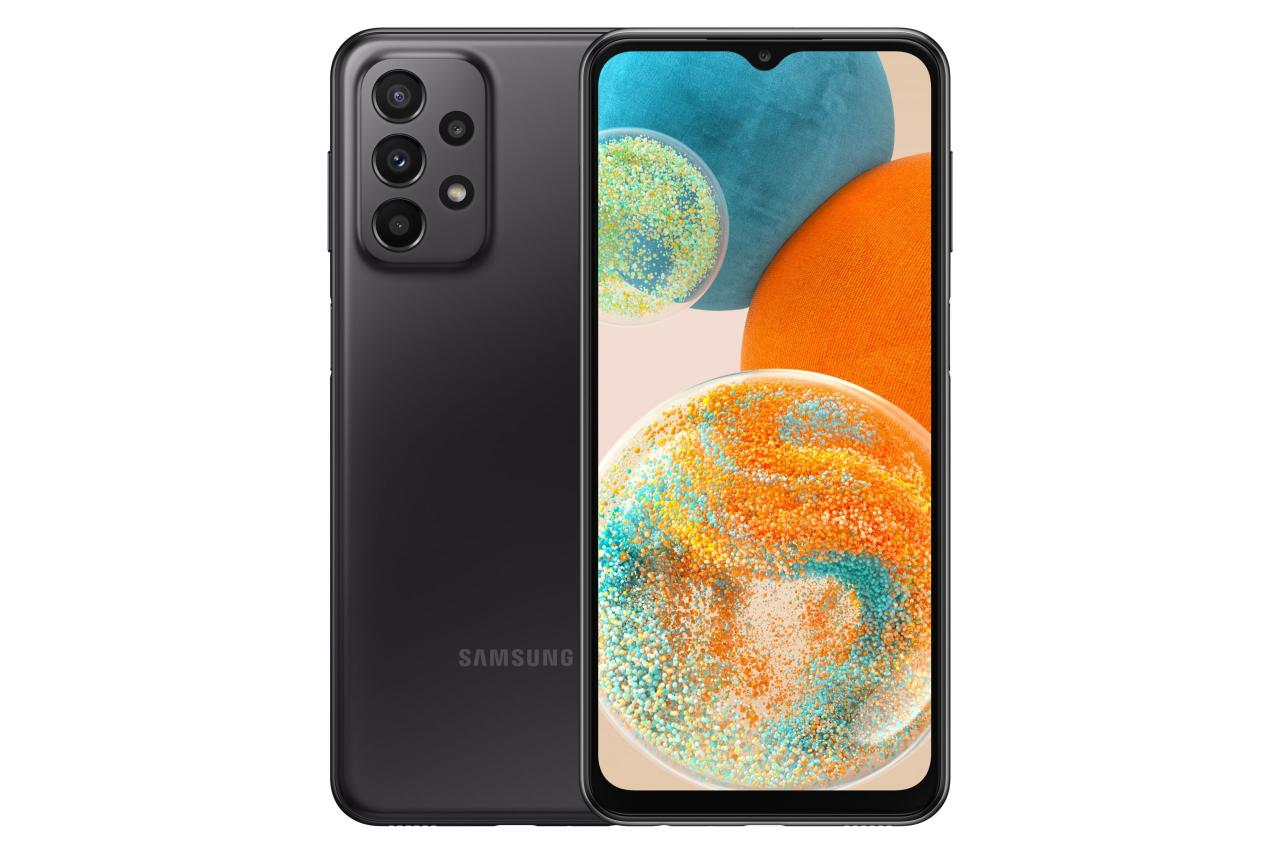
The Samsung Galaxy Note7 faced significant safety concerns shortly after its launch, leading to a high-profile recall that had lasting implications for the brand. These issues primarily revolved around incidents where the device’s battery would overheat, catch fire, or even explode, raising alarms among users and regulatory bodies alike.
The safety concerns that arose post-launch were severe and widespread. Users reported multiple incidents of their devices emitting smoke, catching fire, or even causing damage to property. Notable cases included a report from a passenger on a Southwest Airlines flight where a Note7 caught fire in the cabin, leading to an emergency evacuation. Such alarming reports prompted immediate action from Samsung to address the crisis.
Recall Steps and Public Communication
To tackle the escalating safety issues, Samsung initiated a recall process that involved comprehensive measures. The steps taken included:
- Initial Announcement: On September 2, 2016, Samsung announced a global recall of approximately 2.5 million Note7 devices due to battery-related problems.
- Exchange Program: Samsung implemented an exchange program, allowing customers to return their devices for a replacement or a full refund.
- Clear Communication: Samsung used various channels, including press releases and social media, to inform customers about safety concerns and the recall process, ensuring transparency throughout the ordeal.
- Continued Updates: The company provided regular updates on its investigation into the battery failures and the steps being taken to rectify the situation, maintaining an ongoing dialogue with consumers and stakeholders.
These actions were crucial in managing the crisis. The efficiency and transparency of the recall process were pivotal in mitigating some of the backlash Samsung received. However, the implications of the recall on Samsung’s brand reputation and consumer trust were profound.
The recall not only affected Samsung’s immediate sales figures but also raised questions about the company’s quality control and product safety standards. The incident led to a significant decline in consumer confidence, as many users began to doubt the reliability of Samsung’s products. The brand, once synonymous with innovation and quality, faced an uphill battle to restore its reputation in the market.
“Consumer trust is a fragile asset, easily shaken by incidents that question a brand’s commitment to safety and quality.”
In the aftermath, Samsung worked diligently to regain consumer trust, focusing on more stringent safety measures and rigorous testing protocols in future devices. The Note7 recall serves as a critical case study in crisis management for tech companies, illustrating the profound impact of safety issues on brand credibility and consumer relationships.
Impact on the Smartphone Industry
The Samsung Galaxy Note7 incident marked a pivotal moment in the smartphone industry, serving as a wake-up call for manufacturers and consumers alike. The crisis not only affected Samsung’s market position but also triggered a re-evaluation of safety protocols and manufacturing practices across the entire mobile sector. The fallout from the Note7’s battery failures led to significant changes that shaped how smartphones are designed, tested, and regulated.
Long-term Effects on Manufacturing Practices
The Note7’s battery issues prompted a comprehensive overhaul of battery manufacturing and testing standards in the smartphone industry. Companies began to prioritize battery safety to avoid similar disasters, adopting more rigorous testing protocols and implementing stricter quality control measures.
Key changes included:
- Enhanced Battery Testing: Manufacturers incorporated multi-layered testing methods, including thermal runaway tests, puncture resistance, and drop tests, to ensure batteries could withstand extreme conditions.
- Improved Supply Chain Transparency: The need for transparency regarding battery components led companies to scrutinize their supply chains more closely, ensuring that all materials were sourced responsibly and met safety standards.
- Adoption of New Technologies: Advancements in battery technology, such as the development of safer lithium-ion alternatives and solid-state batteries, gained momentum post-Note7, aiming to minimize risks associated with overheating and explosions.
Competitive Brand Reactions and Strategies
The Note7 crisis led rival brands to capitalize on Samsung’s misfortune by emphasizing their own products’ safety and reliability. Companies like Apple, Google, and Huawei took strategic steps to differentiate themselves in a market shaken by the Note7 incident.
Actions taken by competing brands included:
- Marketing Safety Features: Competitors highlighted their devices’ rigorous safety protocols, showcasing certifications and testing procedures to instill consumer confidence.
- Increased Research and Development: Brands invested heavily in R&D to innovate safer battery technologies and other hardware, focusing on enhancing overall device safety.
- Public Relations Campaigns: Companies launched campaigns that stressed their commitment to customer safety, often contrasting their practices with the Note7 crisis to reassure potential buyers.
Influence on Future Safety Regulations in the Mobile Industry, Samsung note7
The Note7 incident significantly influenced regulatory bodies and industry standards regarding mobile device safety. In response to public concern and scrutiny, there was a concerted effort to develop more comprehensive safety regulations.
Key regulatory changes included:
- Establishment of Safety Standards: Industry organizations, like the Institute of Electrical and Electronics Engineers (IEEE) and Underwriters Laboratories (UL), updated safety certification standards to include more stringent battery testing protocols.
- Mandatory Reporting Regulations: New requirements for manufacturers to report battery failures or safety incidents to regulatory authorities emerged, promoting transparency and accountability.
- Collaboration Among Manufacturers: The Note7 incident fostered a collaborative approach among manufacturers to share best practices and safety research, leading to a unified industry stance on safety protocols.
“The Note7 incident not only reshaped Samsung’s future but also ignited a broader transformation across the smartphone industry, emphasizing the critical importance of safety in technology innovation.”
Query Resolution: Samsung Note7
What were the main features of the Samsung Note7?
The Samsung Note7 featured a 5.7-inch curved display, an S Pen stylus, and an improved camera, along with advanced security options like iris recognition.
When was the Samsung Note7 released?
The Samsung Note7 was officially launched on August 19, 2016.
What led to the recall of the Samsung Note7?
The recall was initiated due to reports of battery overheating and fires, which posed significant safety risks to users.
How did the Samsung Note7 affect the brand’s reputation?
The Note7 incident led to a decline in consumer trust and brand reputation, prompting Samsung to implement more rigorous safety checks in future products.
What lessons were learned from the Samsung Note7 crisis?
The crisis highlighted the importance of safety in product development, leading to stricter regulations and improved quality control measures across the smartphone industry.
The Samsung Galaxy S10 Plus stands out with its impressive features, including a stunning display and powerful camera capabilities. Users appreciate its sleek design and robust performance, making it a top choice for many smartphone enthusiasts. With its advanced technology, this device effectively meets the demands of modern-day users.
Another noteworthy device is the Samsung S9 Plus , which still holds its ground in the market. Known for its excellent camera quality and user-friendly interface, the S9 Plus offers a smooth experience and reliable performance. Its design and functionality make it a great alternative for those looking for a dependable smartphone.